| Aspect
Tense
| Indefinite
| Continuous
| Perfect
| Perfect Continuous
|
|
Present
| the Present Indefinite
e.g. He works hard every day.
| the Present Continuous
e.g. He is working hard now.
| the Present Perfect
e.g. He has worked hard recently.
| the Present Perfect Continuous
e.g. He has been working hard for two months already.
|
|
Past
| the Past Indefinite
e.g. He worked hard yesterday.
| the Past Continuous
e.g. He was working hard yesterday from
8 a.m. to 8 p.m.
| the Past Perfect
e.g. He had worked hard before his mum came home.
| the Past Perfect Continuous
e.g. He had been working hard for eight hours before his mum came home.
|
|
Future
| the Future Indefinite
e.g. He promises he’ ll work hard.
| the Future Continuous
e.g. He’ ll be working hard tomorrow from
8 a.m. to 8 p.m.
| the Future Perfect
e.g. He’ ll have worked hard by the time his mum comes home.
| the Future Perfect Continuous
e.g. He ’ ll hav
e been working hard for eight hours by the time his mum comes home.
|
|
Future-in-the-past
| the Future Indefinite-in-the-past
e.g. He promised he would work hard.
| the Future Continuous-in-the-past
e.g. He said he would be working hard the next day from 8 a.m.
to 8 p.m.
| the Future Perfect-in-the-past
e.g. He said proudly he would have worked hard by the time his mum came home.
| the Future Perfect Continuous-in-the-past
e.g. He said he would have been working hard for eight hours by the time his mum came home.
|
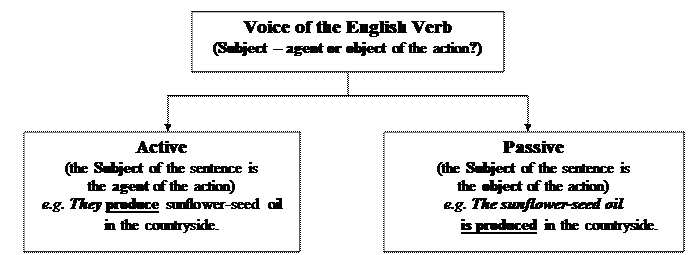
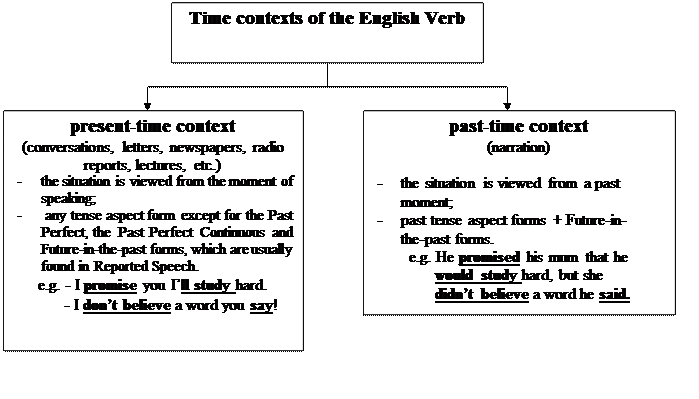
Scheme 12
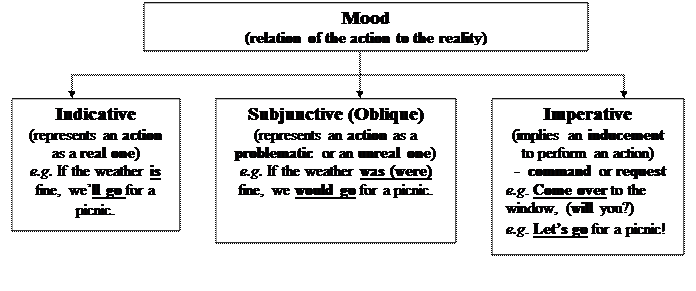
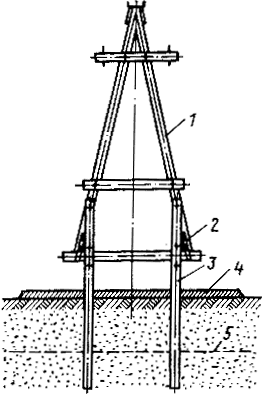
Scheme 13
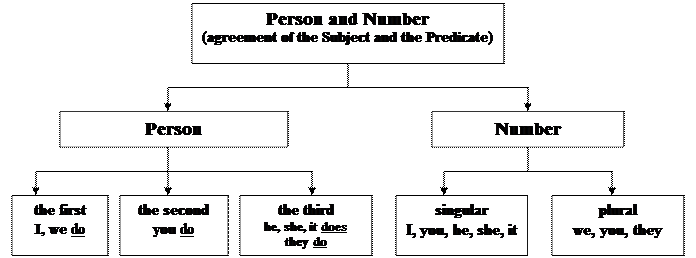
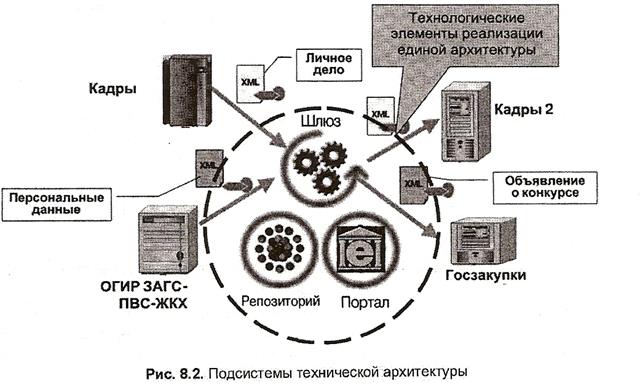
Scheme 14
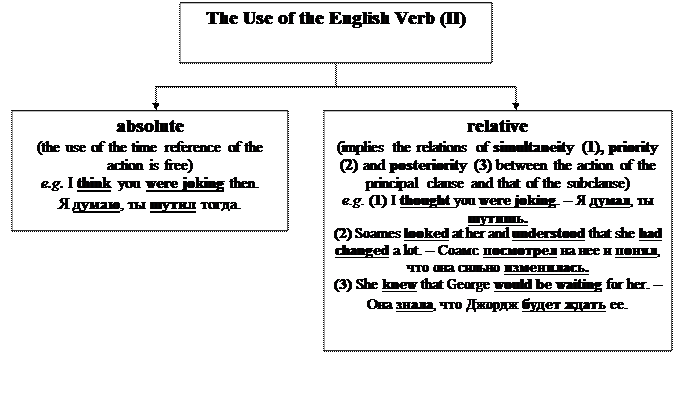
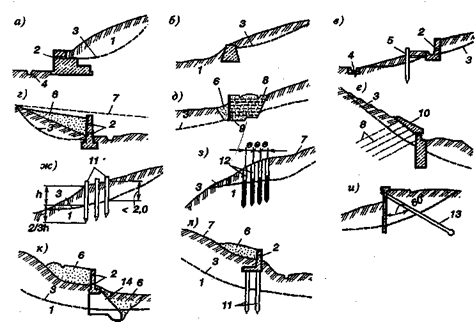
Scheme15 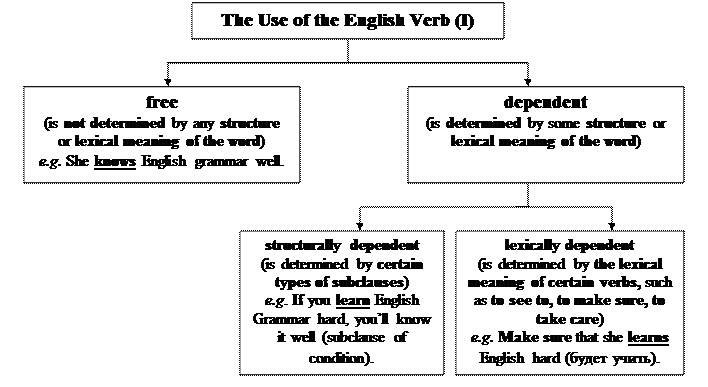
Scheme 16
Scheme 17
Table 1
| Type of the Sentence
| the Present Indefinite
| the Present Continuous
| the Present Perfect
| the Present Perfect Continuous
|
|
Affirmative
(+)
|
I ask
You ask
He, she asks
We ask
You ask
They ask
|
I am (I’m) asking
You are (you’re) asking
He, she is (he/she’s) asking
We are (we’re) asking
You are (you’re) asking
They are (they’re) asking
|
I have (I’ve) asked, done
You have (you’ve) asked, done
He, she has (he/she’s) asked, done
We have (we’ve) asked, done
You have (you’ve) asked, done
They have (they’ve) asked, done
|
I have (I’ve) been asking
You have (you’ve) been asking
He, she has (he/she’s) been asking
We have (we’ve) been asking
You have (you’ve) been asking
They have (they’ve) been asking
|
|
Interrogative
(?)
|
Do I ask?
Do you ask?
Does he, she ask?
Do we ask?
Do you ask?
Do they ask?
|
Am I asking?
Are you asking?
Is he, she asking?
Are we asking?
Are you asking?
Are they asking?
|
Have I asked, done?
Have you asked, done?
Has he, she asked, done?
Have we asked, done?
Have you asked, done?
Have they asked, done?
|
Have I been asking?
Have you been asking?
Has he, she been asking?
Have we been asking?
Have you been asking?
Have they been asking?
|
|
Negative
(-)
| I do not (don’t) ask
You do not (don’t) ask
He, she does not (doesn’t) ask
We do not (don’t) ask
You do not (don’t) ask
They do not (don’t) ask
|
I am not (I’m not) asking
You are not (aren’t) asking
He, she is not (isn’t) asking
We are not (aren’t) asking
You are not (aren’t) asking
They are not (aren’t) asking
|
I have not (haven’t) asked, done
You have not (haven’t) asked, done
He, she has not (hasn’t) asked, done
We have not (haven’t) asked, done
You have not (haven’t)asked, done
They have not (haven’t)asked, done
|
I have not (haven’t) been asking
You have not (haven’t) been asking
He, she has not (hasn’t) been asking
We have not (haven’t) been asking
You have not (haven’t) been asking
They havenot (haven’t) been asking
|
|
Emphatic
| I do ask
You do ask
He, she does ask
We do ask
You do ask
They do ask
|
___________
|
_____________
|
_____________
|

 2020-12-27
 126
126