
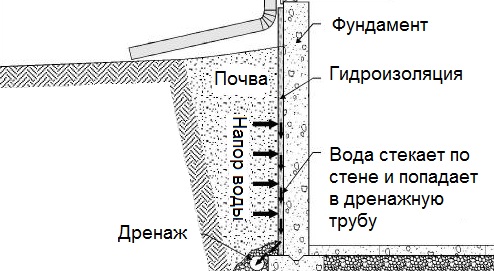
Общие условия выбора системы дренажа: Система дренажа выбирается в зависимости от характера защищаемого...
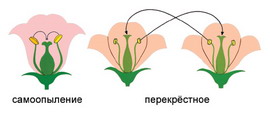
Семя – орган полового размножения и расселения растений: наружи у семян имеется плотный покров – кожура...
Общие условия выбора системы дренажа: Система дренажа выбирается в зависимости от характера защищаемого...
Семя – орган полового размножения и расселения растений: наружи у семян имеется плотный покров – кожура...
Топ:
Комплексной системы оценки состояния охраны труда на производственном объекте (КСОТ-П): Цели и задачи Комплексной системы оценки состояния охраны труда и определению факторов рисков по охране труда...
История развития методов оптимизации: теорема Куна-Таккера, метод Лагранжа, роль выпуклости в оптимизации...
Характеристика АТП и сварочно-жестяницкого участка: Транспорт в настоящее время является одной из важнейших отраслей народного хозяйства...
Интересное:
Распространение рака на другие отдаленные от желудка органы: Характерных симптомов рака желудка не существует. Выраженные симптомы появляются, когда опухоль...
Берегоукрепление оползневых склонов: На прибрежных склонах основной причиной развития оползневых процессов является подмыв водами рек естественных склонов...
Аура как энергетическое поле: многослойную ауру человека можно представить себе подобным...
Дисциплины:
 2017-05-14 2017-05-14 |
 266 266 |

из
5.00
|
Заказать работу |
Содержание книги
Поиск на нашем сайте
|
|
|
|
a) Study the following pattern sentences and learn to distinguish between «for example» and «namely»:
There are quite a few problems which are referred to as global: for example, food, population, energy, etc.
We discussed two problems: namely, food and population.
b) Complete each of the following with «for example» or «namely»:
1) There are several techniques which I use in my experiments:...
2) There are two foreign languages that I’d like to master:...
3) My supervisor assists me in many ways:...
4) I have to take three exams:...
1.3.3. Answer the following questions giving your opinion, exam-ples, details. You may use the following:
In my view...
In my opinion...
I think that...
I suppose that...
to give you an example...
for example...
that is to say...
1) What in your view is the purpose of a postgraduate course?
2) At the end of the postgraduate course many young people become self-reliant scientists, don’t they?
3) I suppose there are some significant developments in your branch of science, what are they?
4) Would you agree that the language of mathematics is universal, and no science can develop fruitfully without using mathematics?
5) I suppose your thesis is developing successfully?
1.3.4. (A) Complete the following sentences:
1. My field of research is...
2. The problem I am studying concerns …

study … investigate …
I do research …
carry out an investigation of … undertake a study of …
| the activity | |||
| the function | |||
| the nature | |||
| studying | the structure | ||
| I am engaged in | investigating | the effects | of |
| researching into | the action | ||
| the causes | |||
| the influence | |||
| the properties |
| to find out … | ||||||
| to discover … | ||||||
| 3. The main aim of my investigation | to obtain … | |||||
| The chief purpose of my work | is | to assess … | ||||
| The primary objective of my research | to demonstrate … | |||||
| to show … | ||||||
| to test … | ||||||
| to check … | ||||||
| to verify … | ||||||
| 4. The problem I am trying to solve | is | … | ||||
| The problem I am studying |
interesting fascinating important

 The investigation I am carrying out is of practical importance of fundamental value
involves certain difficulties presents some difficulties
| turn for help to | my supervisor | |||||||||
| turn for advice to | my colleagues | |||||||||
| 5. In my work I | consult with | my fellow workers | ||||||||
| discuss things with | co-workers | |||||||||
| consult standard reference books | ||||||||||
| to determine the parameters of | ||||||||||
| to examine facts about / questions | ||||||||||
| concerning … | ||||||||||
| to measure the rate of / the amount of | ||||||||||
| … | ||||||||||
| carry out | to obtain data on … | |||||||||
| 6. I | make | experiments | to test the validity of … | |||||||
| perform | the idea | |||||||||
| to confirm | the theory | that | ||||||||
| the hypothesis | ||||||||||
| to provide evidence for … | ||||||||||
| to reveal the causes of … | ||||||||||
| to find out whether … |
| good | ||||||||||
| strong | showing | |||||||||
| to give | sufficient | suggesting | ||||||||
| 7. I managed | to present | convincing | evidence | indicating | that | |||||
| to provide | interesting | data | which show(s) | |||||||
| to obtain | important | suggest(s) | ||||||||
| promising | indicate(s) | |||||||||
| reliable | ||||||||||
| is | certain | theoretical importance | ||||||||
| 8. This evidence | seem(s) to be | of | some | practical interest | ||||||
| These data | are | great | experimental value |
9. The techniques I use / apply are as follows:...
10. The procedure I follow in my experiments is like this: …
11. The facilities I need for my work include:...
(B) Restate the following questions:
PATTERN: What education did you get? Could you tell me
 Would you tell us what education you got? I’d like to know
I wonder
1) What is your branch of science?
2) What is your field of research?
3) What are your scientific interests?
4) What activities does your programme of study and research in-
clude?
5) What are the basic requirements for a higher degree thesis?
6) How does your supervisor assist you?
7) What techniques do you use in carrying out your experiments?
8) How is your thesis developing?
(C) Answer the restated questions using «for example» and «namely» to give details.
(D) You are having a talk with your fellow-students. Ask them about their research and tell them about the research you are doing.
1.3.5. Prepare interviews with your fellow-students on the follow-ing topics. Use the key words in brackets to guide your conversation. You may introduce your questions using:
First of all I’d like to know...
Then, I’m interested in...
I also wonder...
And finally, could you please tell me...
1. A postgraduate programme of study and research:
(study, reading, seminar, colloquium, examination, investigation, publication, thesis).
2. A higher degree thesis:
(topic, draft, originality, application, submission, acceptance, de-fence, award, degree).
3. Research publications:
(article, paper, report, abstract, contribution, co-author, joint publication). 4. Research:
(theoretical background, investigation, skills, techniques, procedures, hypothesis, data, correlation, computation, facilities, equipment).
5. Supervision:
(assistance, advice, discussion, criticism, problem, review, comment, publication).
|
|
|
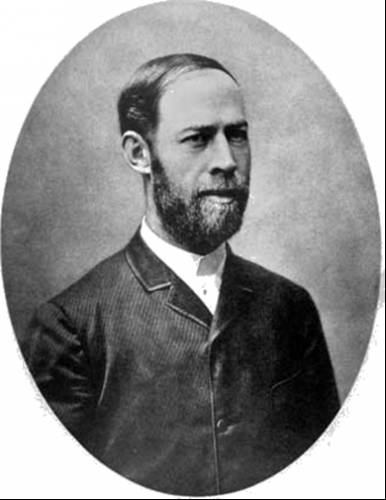
История создания датчика движения: Первый прибор для обнаружения движения был изобретен немецким физиком Генрихом Герцем...
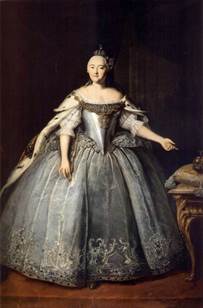
Историки об Елизавете Петровне: Елизавета попала между двумя встречными культурными течениями, воспитывалась среди новых европейских веяний и преданий...
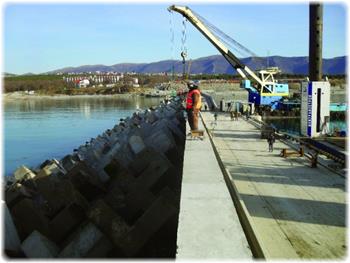
Типы оградительных сооружений в морском порту: По расположению оградительных сооружений в плане различают волноломы, обе оконечности...
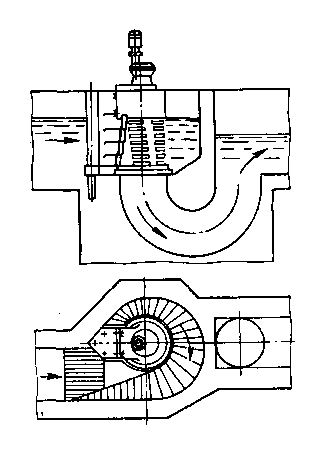
Состав сооружений: решетки и песколовки: Решетки – это первое устройство в схеме очистных сооружений. Они представляют...
© cyberpediasu.com 2017-2026 - Не является автором материалов. Исключительное право сохранено за автором текста.
Если вы не хотите, чтобы данный материал был у нас на сайте, перейдите по ссылке: Нарушение авторских прав. Мы поможем в написании вашей работы!

